6-Piece Kids Balance Beam Stepping Stones for Toddlers: Build an Indoor-Outdoor Balance Path
A simple set of stepping stones can turn everyday play into movement practice that supports balance, coordination, and confident steps. This 6-piece balance path is designed for toddler-friendly obstacle courses at home, in the yard, or in a playroom—using short routes, gentle challenges, and repeatable games that keep little bodies moving.
What a Stepping-Stone Balance Path Helps Toddlers Practice
- Balance and postural control: stepping from one surface to the next encourages steady feet and a stable core.
- Coordination and motor planning: choosing where to place each foot builds sequencing and body awareness.
- Confidence with movement: low-height, moveable pieces help toddlers try again without feeling overwhelmed.
- Active play routines: quick set-up makes it easy to add a short “movement break” between quiet activities.
For more general guidance on active, healthy play routines, helpful references include the AAP’s play & fitness resources and CDC child development tips.
What’s Included in the 6-Piece Set
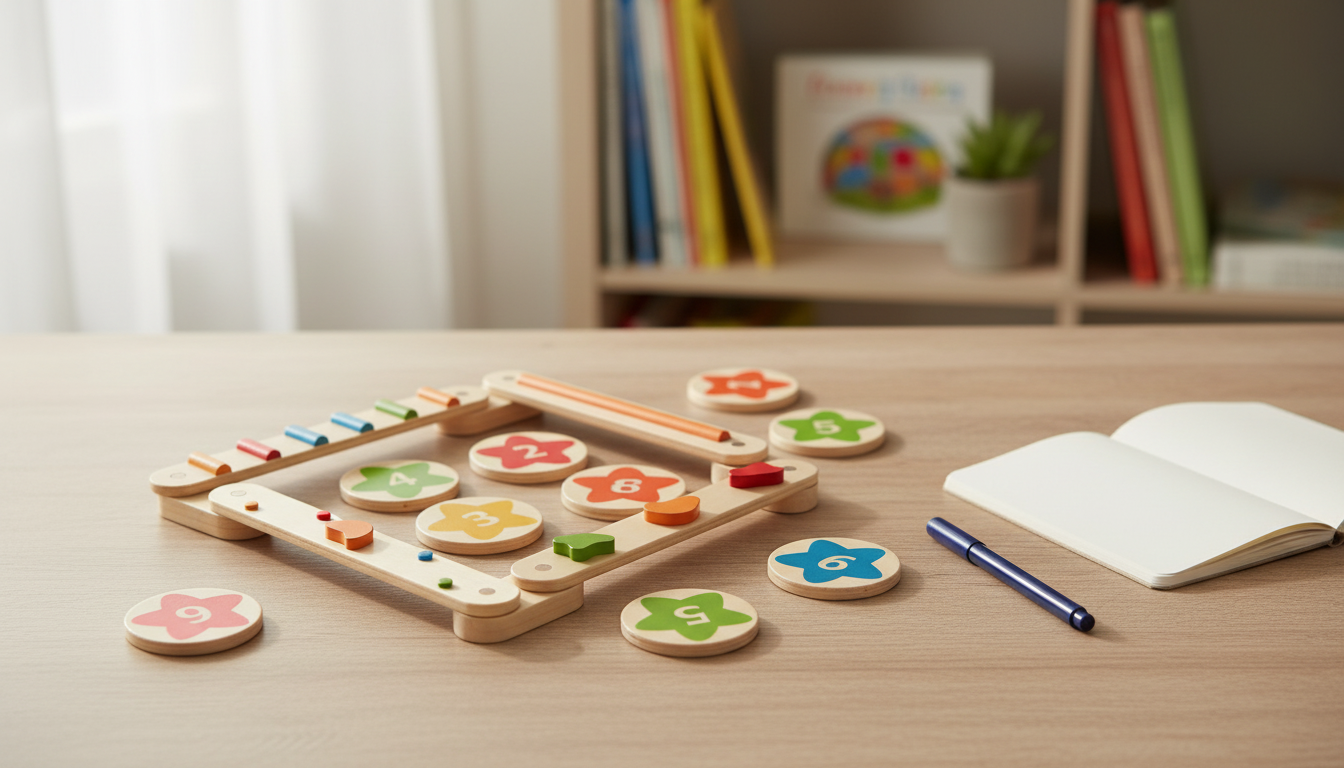
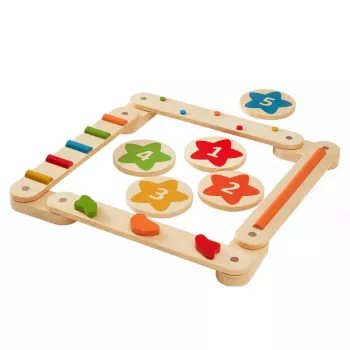
- Six balance pieces that can be arranged as a straight path, zig-zag, circle, or mini obstacle course.
- Flexible layouts: change the spacing to match age, stride length, and confidence level.
- Use cases: hallway “balance walk,” living-room hop route, backyard stepping challenge, or preschool group game.
- Best for supervised play where the path can be kept clear of clutter and sharp edges.
Quick Setup Ideas for 6 Pieces
| Layout |
How to Arrange |
Skill Focus |
| Straight line |
Place pieces evenly in a row |
Steady steps and pacing |
| Zig-zag |
Angle pieces left-right-left |
Weight shifting and turning |
| Circle loop |
Form a ring with small gaps |
Continuous movement and confidence |
| “River jump” |
Widen gaps slightly between a few pieces |
Bigger steps and controlled reaches |
Safety Basics for Indoor and Outdoor Play
- Supervision matters: toddlers should use balance paths with an adult nearby, especially during new games.
- Choose the right surface: flat flooring, low-pile rugs, foam mats, or short grass reduce wobble and tripping risks.
- Clear the route: remove toys, cords, and furniture corners near the path so stumbles stay harmless.
- Start small: closer spacing and slower pacing first; increase distance or add turns only after steady walking.
- Footwear: bare feet or non-slip socks indoors; secure shoes outside if the ground is uneven.
If you’re setting up daily movement time, the SHAPE America Active Start guidelines offer a helpful overview of age-appropriate activity goals.
Age-Appropriate Ways to Use Stepping Stones
- Early toddlers: place pieces close together for simple step-to-step walking with hand-holding available.
- Older toddlers: add a gentle zig-zag or a “pause and balance” count on each stone.
- Preschoolers: introduce pretend-play prompts (lava, river stones, animal footprints) to keep attention on the route.
- Mixed ages: let younger kids walk while older kids hop or complete a turn-around challenge.
A practical progression is “walk → pause → turn → carry.” Each step adds a tiny challenge without turning playtime into something that feels too hard.
Games That Keep Kids Engaged (Without Making It Harder Than It Needs to Be)
- Color or number calls: assign each piece a color/number and call the next step to practice listening and movement.
- Stop-and-go: “freeze” on a stone for a 2–5 count to practice control rather than speed.
- Animal walks: tip-toe like a mouse, stomp like a bear (on the floor between stones), then step carefully onto the next piece.
- Treasure delivery: carry a soft toy from start to finish using two hands to encourage steady shoulders and slower steps.
- Mini circuits: repeat a short route 3 times, then take a water break—building stamina gently.
Keeping sessions short often works best: a few minutes of focused movement, then back to books, blocks, or snack time.
Care, Storage, and Keeping Play Areas Calm
- Quick tidy routine: stack or gather all pieces into a bin after use so the pathway doesn’t become a trip hazard.
- Wipe-down habits: clean after outdoor use or messy play to keep surfaces comfortable for little hands and feet.
- Rotate challenges: keep the same pieces but change the layout—fresh play without adding clutter.
- Space-friendly option: six pieces are enough for variety while still storing easily in small homes.
For calmer transitions, consider making the last “round” a slow walk with a big finish line stretch—kids still get closure without winding up into a sprint.
When This Type of Play Is Most Helpful
At-a-Glance
More In-Stock Picks for Home Routines
FAQ
What age is appropriate for toddler stepping stones?
Many families start in the toddler years with close spacing and simple step-to-step walking. Keep an adult nearby, and only increase spacing or add hopping once the child looks steady and confident.
How far apart should stepping stones be for toddlers?
Start with a comfortable “natural step” distance where the child doesn’t need to jump or reach. If a toddler is wobbling or rushing, move the pieces closer and slow the pace before widening gaps again.
Can stepping stones be used indoors without slipping?
Yes—use them on a flat, clear surface and avoid high-speed running. If the floor feels slick, placing the path on a foam play mat or low-pile rug can help add traction while you supervise.
Recommended for you











Leave a comment